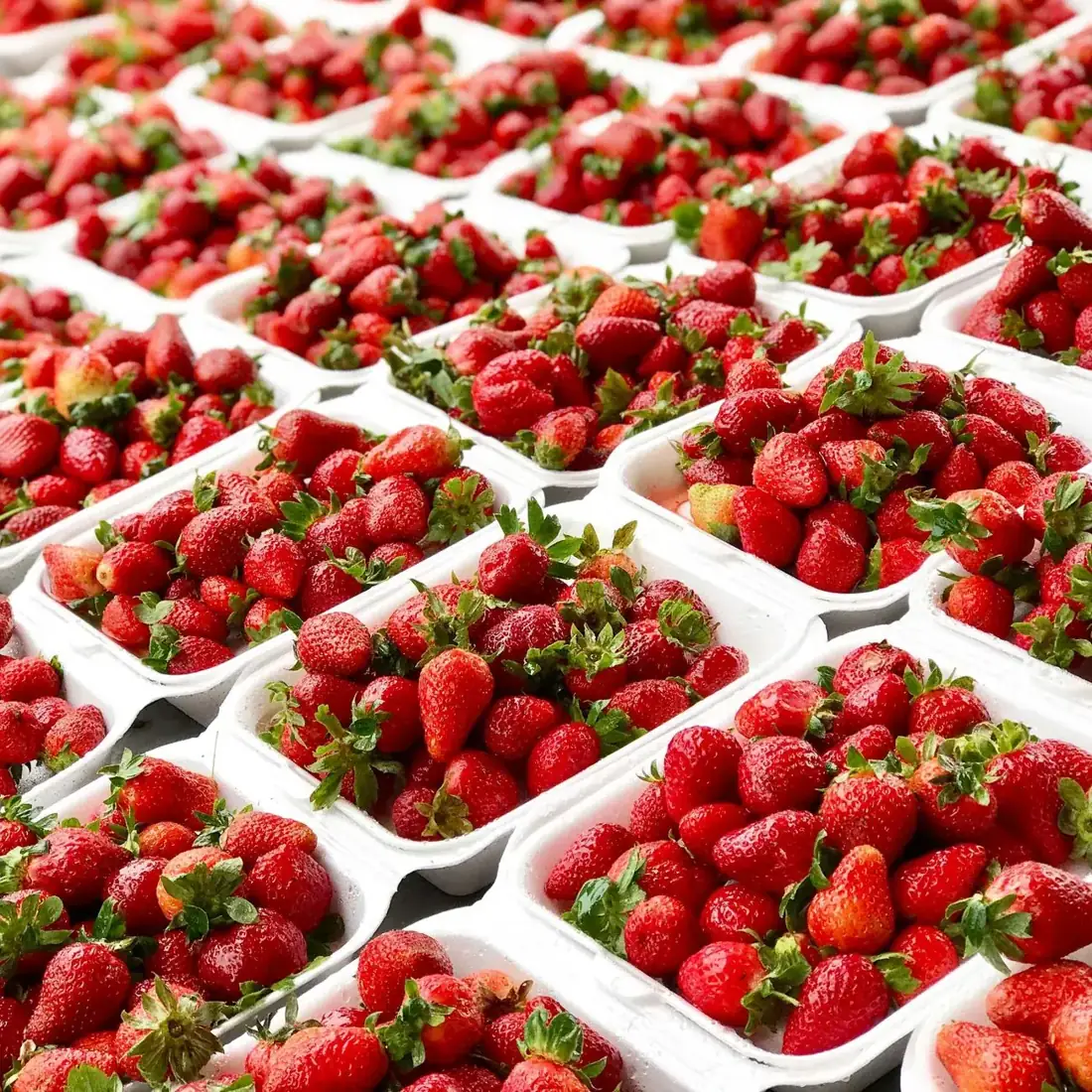
The stall
How to read a market stall
Freshness leaves clues: cut stems, dewy leaves, a crate turned over fast. How to spot the good stall before you queue.
Read entryWhat's in season, how to talk to the people who grew it, and how to carry home the best of the day without the sad bag of forgotten veg. Six short reads for anyone who loves the noise of a good market morning.
Market Day started as a scrappy list on the back of a shopping receipt: which grower had the sweetest carrots, who sold out of berries by nine, which stall would knock a little off the last crate of tomatoes. Over time the list turned into these entries. None of it is fancy. It is just the running knowledge you pick up when you keep showing up to the same square, week after week, and start recognising faces.
The point of a farmers market is not really the veg, though the veg is often wonderful. It is the short chain between the field and your kitchen, and the fact that the person weighing your beans probably pulled them out of the ground the day before. Once you learn to read that, shopping stops being a chore and starts being the best part of the weekend.
Read the entries in order or jump to whatever you are stuck on this week. Each one stands on its own, and each one ends by pointing at the next.
Start at the stall and the season, then work through talking to growers, buying well, storing it, and cooking it down. Each entry is a short read with concrete, market-tested examples.
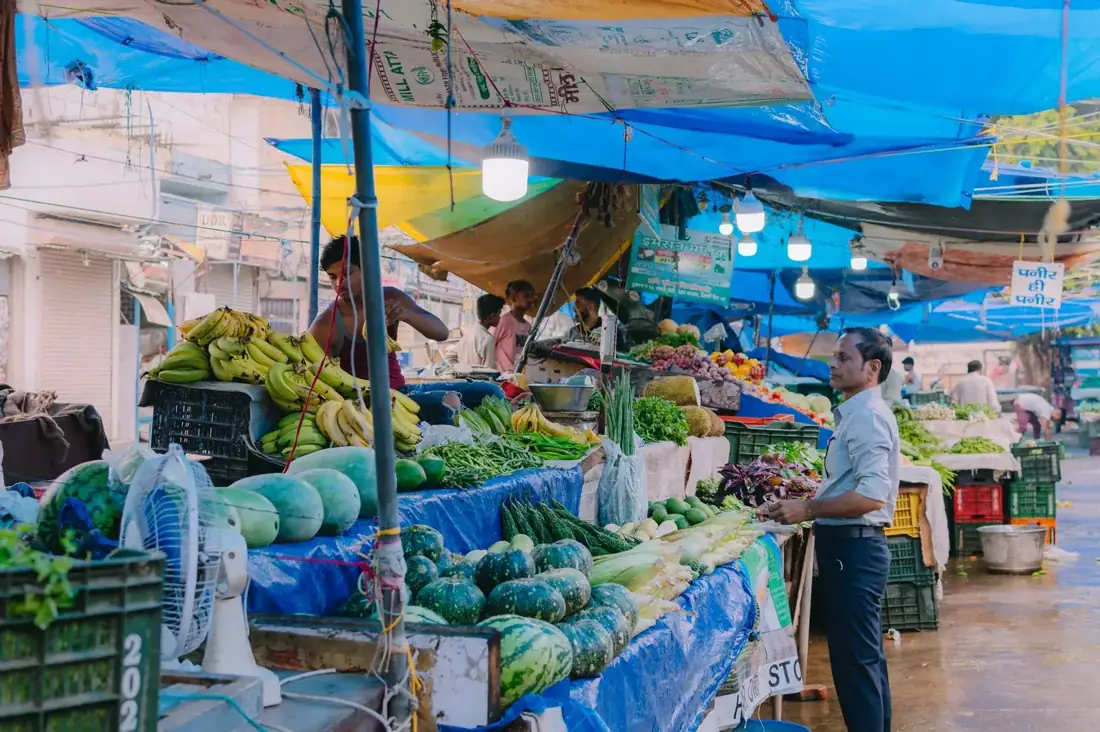
Freshness leaves clues: cut stems, dewy leaves, a crate turned over fast. How to spot the good stall before you queue.
Read entry
The calendar the market actually keeps. How to read the shift from spring greens to high-summer glut to autumn roots.
Read entry
The people behind the crates know more than any label. The questions that get you the best of what they brought.
Read entry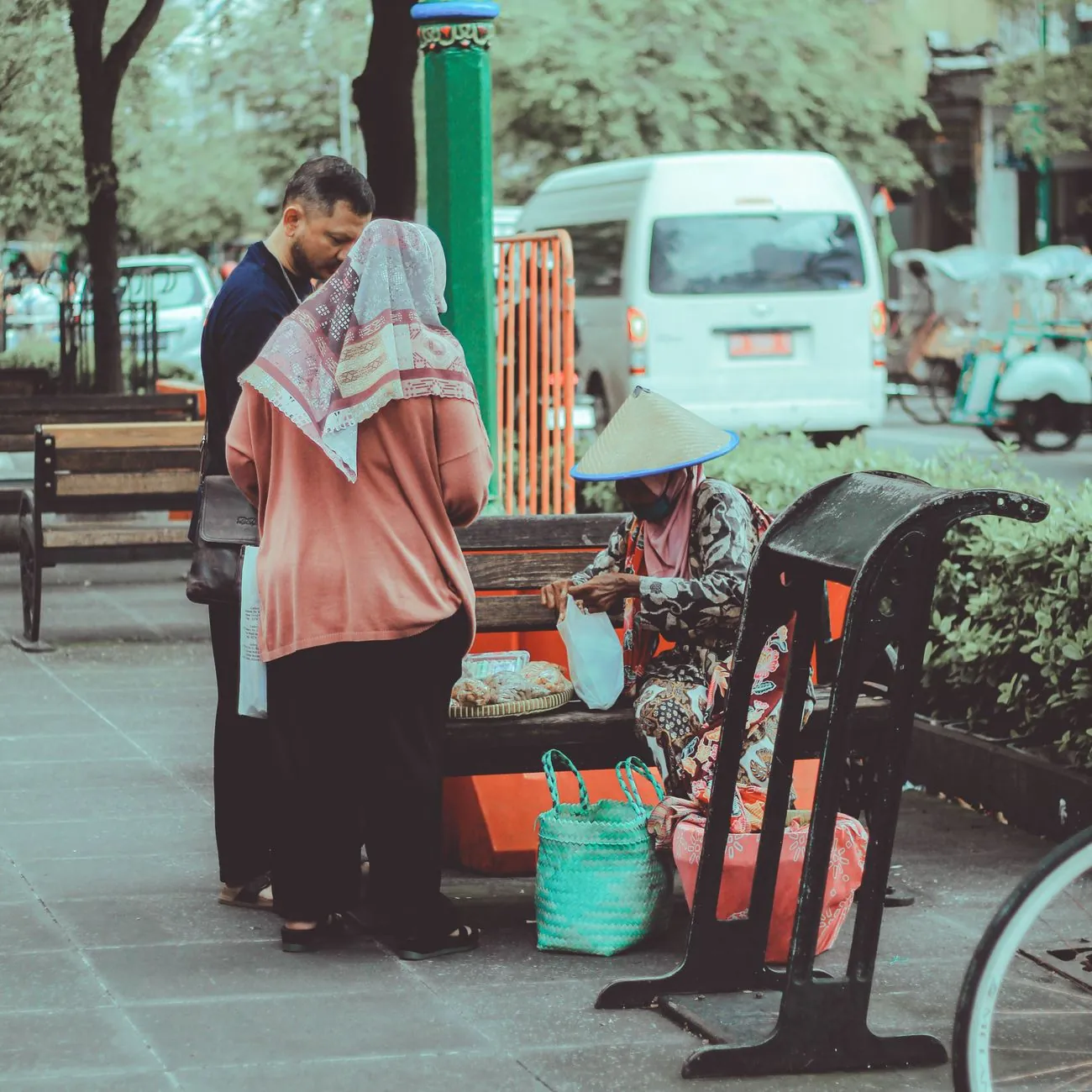
The abundance is a trap. A loose plan, a real budget for waste, and a walk-around lap that saves you from the sad drawer.
Read entry
Market veg has no shelf-life padding. What goes in the fridge, what wants a jar of water, and what to eat first.
Read entry
Cook what you found, not what a recipe demands. Building a flexible week from the stall backwards.
Read entryYou can read a good stall from three steps away. Here is the quick scan we run before joining any queue.
A little soil on the potatoes and grit in the leek layers means it came out of the ground, not a warehouse. Spotless veg has usually been washed and travelled.
A stall that keeps ducking under the table for more is selling through, which means turnover, which means fresh. A full, untouched display by mid-morning tells its own story.
A grower with eight vegetables in season usually beats a stall with forty from who-knows-where. A short table is often a proud one.
If the person behind the crates can tell you when it was picked and how they'd cook it, you are buying from the field, not a middleman.
It's a trade-off. Arrive early and you get the fullest crates and the widest choice, especially of things that sell out like berries and eggs. Come near closing and you may catch growers marking down the last of a crate rather than carting it home. Mid-morning is the busy, sociable middle, when stalls are stocked and everyone is in a good mood.
Some things cost more, some less. Salad leaves, herbs and eggs are often better value and far fresher, while out-of-season specialities carry a premium. You usually pay for shorter travel and smaller farms, and you're often getting a day-old harvest instead of week-old stock. Buying what's in glut is where the real savings hide.
A sturdy bag or basket, small notes and coins for the stalls that prefer cash, and a rough idea of your week rather than a rigid list. A cool bag helps in summer if you're buying cheese, meat or greens and won't be straight home. Everything else you can figure out on the day.
Ask the person selling it. Growers are usually delighted to tell you how they eat their own crop, and that offhand tip is often better than any recipe. Start with one unfamiliar thing a week and it stops being intimidating fast.