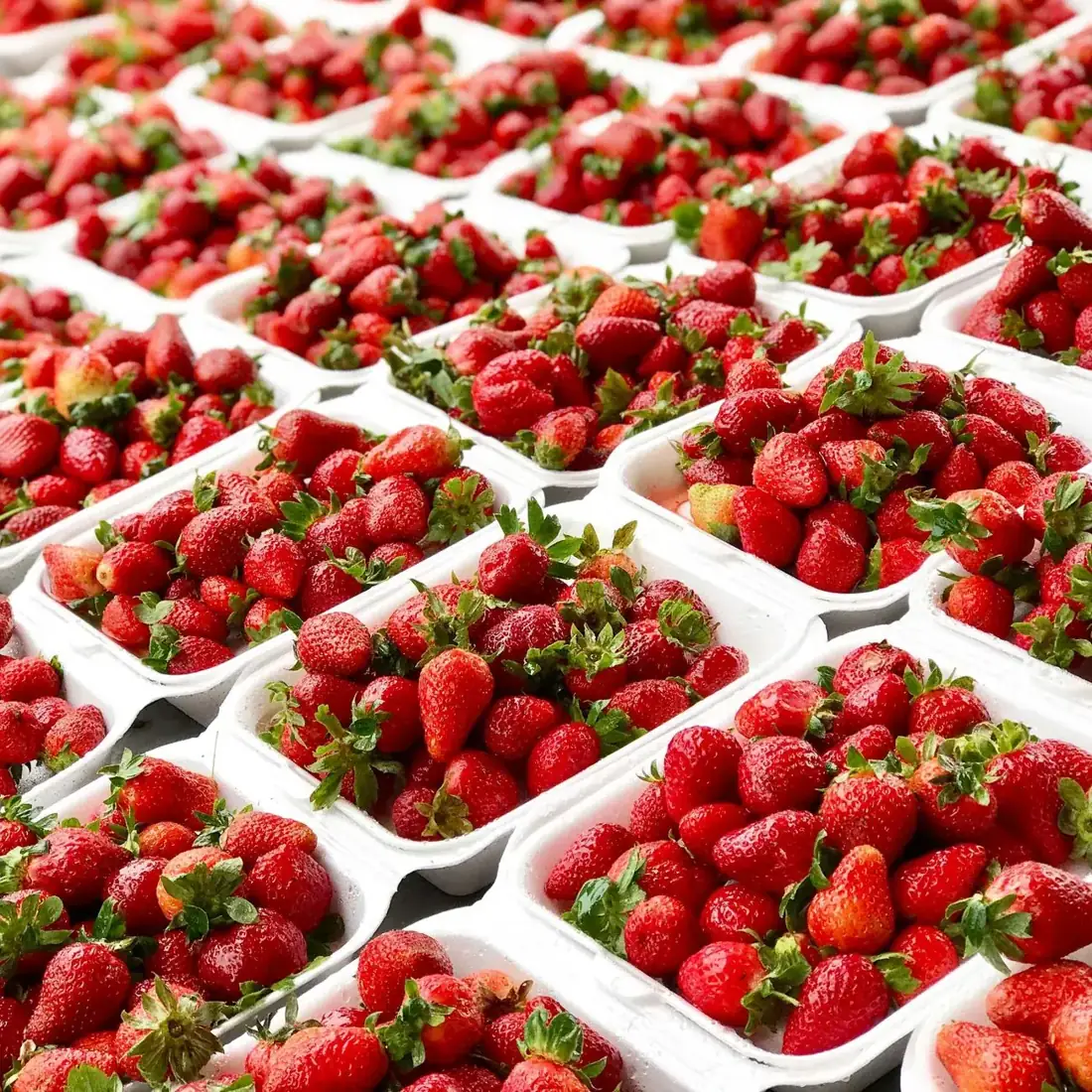
The first thing a market teaches you is that not all stalls are equal, even in the same square, on the same morning, selling the same tomatoes. One table is a wall of glossy, identical fruit trucked in from a wholesaler at four that morning. The next is a jumble of odd sizes with soil still clinging to the roots, sold by the woman who grew them. From ten paces they can look alike. Up close, they could not be more different, and once you learn the tells you stop being fooled by a shiny display. Reading a stall is not fussy or precious. It is a quick scan you run before you commit your money and your dinner to a stranger's crate, and it takes about the same time as deciding whether to cross a road. This entry lays out the signals worth watching, roughly in the order you notice them as you walk up.
Read the produce before you read the prices
The vegetables themselves are the most honest thing on the table, so start there. Look at where things have been cut. A lettuce or a bunch of chard picked yesterday has a pale, wet-looking cut at the base of the stem; one that has sat around has a brown, dried, slightly slimy end. The same goes for the woody stalks on broccoli and the cut on a cabbage: fresh is moist and light, tired is dark and dry.
Then look at the leaves. Field-fresh greens stand up; they have a spring to them and often a bead of moisture in the folds. Greens that flop over the edge of the crate like a sad flag have lost their water and will only get worse in your bag. With fruit, the tell is smell more than shine. A ripe tomato or peach announces itself; a scentless one was picked hard and green to survive a long lorry ride.
The dirt is a feature, not a fault
New shoppers sometimes distrust muddy vegetables and reach for the spotless ones. It is exactly backwards. A little soil on the potatoes, grit trapped in the layers of a leek, a dusty bloom on a plum: these are signs the produce came straight out of a field and has not been scrubbed, graded and packed by machine. Perfectly clean, perfectly uniform veg has usually been through a supply chain, and that chain costs it days of freshness. Buy the dirt and wash it at home.
Field note: if a stall has one vegetable heaped in a huge, tidy pyramid and everything else in modest piles, be a little suspicious of the pyramid. It is often a bought-in loss leader meant to pull you in, sitting next to the grower's own, more limited crop. The small piles are usually the real thing.
Watch the stall, not just the goods
Once you have clocked the produce, widen your view to how the stall behaves. Turnover is the single best proxy for freshness you will ever get, and you can see it happening. A stall where the seller keeps ducking under the table to refill from boxes is selling through fast, which means what you buy has spent very little time in the open air. A display that looks pristine and untouched at eleven o'clock, with no gaps and no restocking, has been sitting there since dawn.
Notice the range, too. Counterintuitively, a grower with a short list of eight or ten vegetables usually beats a stall groaning with forty kinds of everything, all year round. Real seasonal growing is limited by what the land is doing right now. A table that can offer strawberries, asparagus and pumpkins on the same day in the same season is buying most of it in from somewhere else.
A quick head-to-toe scan
Here is the whole thing as a checklist you can run in a few seconds while you queue:
- Cut ends: pale and moist, not brown and dry.
- Leaves: upright and springy, not wilted over the crate edge.
- Smell: ripe fruit should announce itself; silence means it was picked hard.
- Dirt: a bit of soil is good; showroom-clean uniformity is a warning.
- Turnover: crates going down and being refilled beats a static, perfect display.
- Range: a focused seasonal list usually beats an everything-all-year table.
Trust your second lap
The last piece of advice is the least technical and the most useful: do a lap before you buy. Walk the whole market once with your hands in your pockets, noticing which stalls pass the scan above, then double back for the good ones. On a first lap you see what's about, catch the best prices, and avoid loading your bag with the first decent carrots you meet only to find better ones three stalls along. It also gives the busy morning rush a moment to thin out at the stall you actually want.
Reading a stall gets faster the more you do it, until it stops feeling like a skill at all and just becomes the way you look at food. The reward is a bag where everything earns its place. Once you can tell the field from the warehouse, the next question is simply what the field is offering, which is exactly where the season comes in.
Buy the dirt, watch the crates, and always do a lap before you commit.