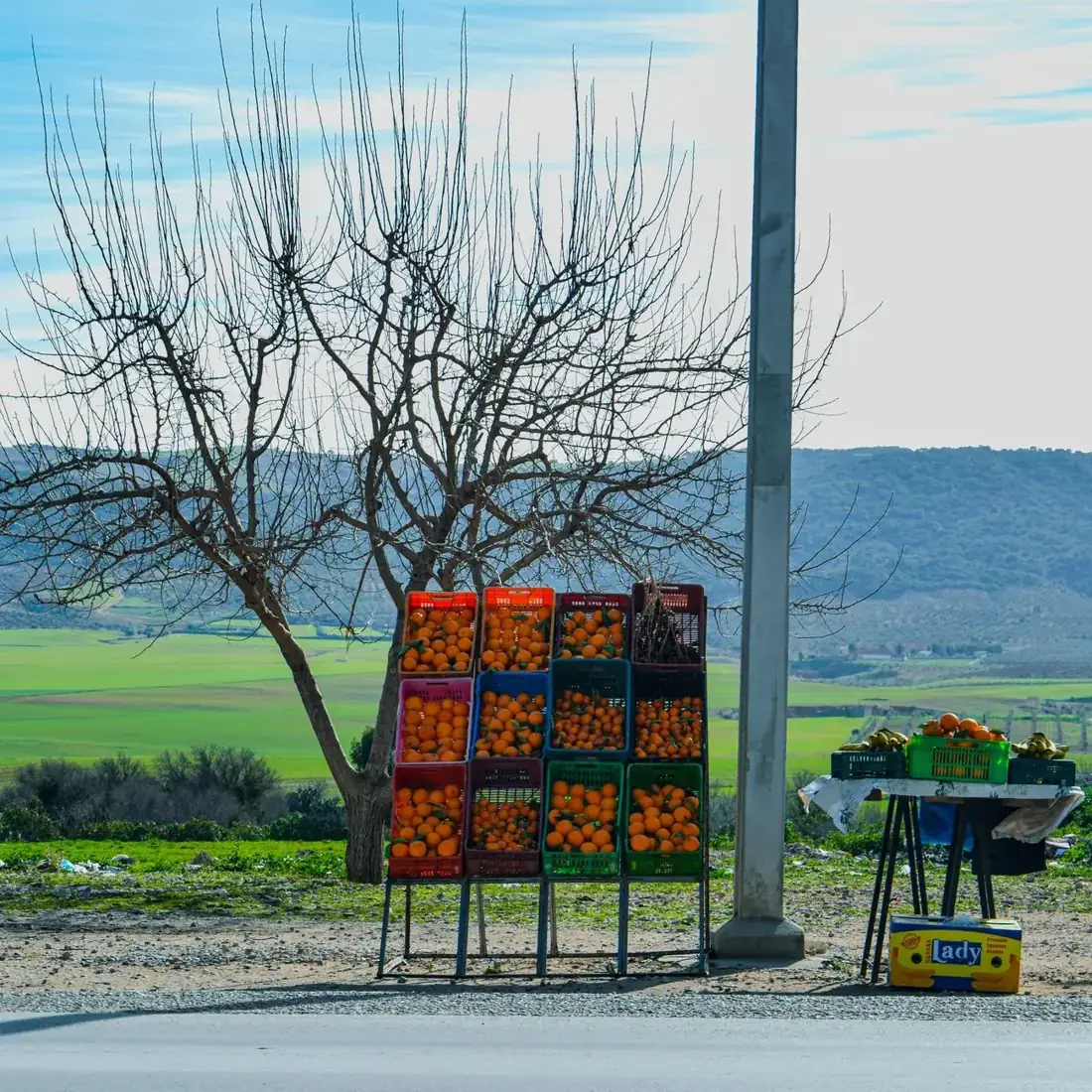
The thing a supermarket can never sell you is standing right there behind the crates: a person who knows exactly what you're buying because they grew it. Most shoppers walk past this like it's furniture. They point, they pay, they leave, and they miss the whole reason the market beats the shop. The grower knows which apples are for eating and which for cooking, which tomatoes are ripe today and which want another two days on the windowsill, what came out of the ground this morning and what's the tail end of last week. All of that is free, and most of it is offered gladly, if you just open your mouth. Talking to growers is not about being charming or knowledgeable. It's about asking a few honest questions and actually listening to the answers. Do it a handful of times and you'll shop better, eat better, and slowly turn a transaction into something closer to a friendship.
Start with the crop, not the small talk
You don't need an icebreaker. The easiest way in is a genuine question about the food, because it's what the grower most wants to talk about. Ask when something was picked and you learn how fresh it really is. Ask which variety it is and you often unlock a small lecture on why this particular carrot or apple is worth growing at all. These questions do double duty: they get you information, and they signal that you care, which tends to get you the better crate from under the table rather than the bruised one on top.
A few reliable openers, all of which have earned me better food over the years:
- "When was this picked?" — the single most useful question at any stall.
- "What's best today?" — invites the grower to steer you to the peak of what they brought.
- "Which of these is sweeter / firmer / better for roasting?" — variety-level detail no label carries.
- "How would you cook this?" — often the best recipe you'll get all week.
- "Is there anything you're trying to move today?" — end-of-day gluts, sometimes at a discount.
Ask how they'd cook it
Of all those questions, "how would you cook this?" is the one that changes people's kitchens. A grower has eaten their own crop a thousand ways and knows the shortcut that makes it sing. They'll tell you the fennel is better shaved raw than roasted, that the glut tomatoes want nothing but salt and good oil, that the tough outer leaves of the cabbage are the sweet part if you shred them fine. This is generational, hands-in-the-dirt knowledge, and it's yours for the asking.
It's also the low-risk way to buy something you've never cooked. Nervous about that knobbly celeriac or the bunch of unfamiliar greens? Ask, and you leave with both the vegetable and a plan for it. That single habit does more to broaden how you eat than any cookbook, because it removes the fear of the unknown ingredient at the exact moment you're deciding whether to buy it.
Field note: timing matters. The first hour is a scrum and growers are slammed; the mid-morning lull is when they have breath to chat. And never open with haggling. Ask about the food first, buy a bit, come back next week, and the good prices and the held-back best crates tend to arrive on their own.
Become a regular, not a tourist
The real payoff isn't a single good conversation; it's the tenth one. Buy from the same growers week after week and something shifts. They start remembering what you like. They set aside the herbs you always buy, tip you off when the first of something you love comes in, and throw an extra handful in the bag because you're a face they know rather than a wallet passing through. None of this is a trick you engineer. It's the ordinary result of showing up, being decent, and treating the person as a person.
This is also where markets quietly do their real work. The money you spend goes to the household that grew the food, not a distant chain, and the relationship keeps small farms viable. You get better vegetables and better advice; they get a customer they can count on. It's the oldest kind of commerce there is, and it still works.
Ask when it was picked and how they'd cook it, then come back next week.
Once you're talking to growers, you'll find yourself wanting to buy everything they recommend, which brings its own hazard. The next entry is about the discipline that keeps all this enthusiasm from turning into a fridge full of good intentions: shopping without overbuying.